Guba and Adwa:
Twin Symbols of Ethiopia’s Triumph Over External Adversaries

Ethiopia, Africa’s independent and resilient country, has long stood as a beacon of defiance against external aggression. Its strategic location in the Horn of Africa, coupled with its control over vital resources, particularly the Nile River and the Red Sea (until it involuntarily lost it in 1993), has made it a focal point for geopolitical maneuvering. From ancient invasions by the Ottomans and Egyptians to colonial ambitions of Italy and modern-day pressures over resource sovereignty, Ethiopia has faced relentless challenges from external actors seeking to dominate its geography and resources. Ethiopia paid huge sacrifices; losses of lives, destruction of resources, in defending its sovereignty.

Tears - tribute to the sacrifices that shape us!
Two moments hold a pivotal place in Ethiopia’s history; the Battle of Adwa in 1896 and the contemporary triumph at Guba - GERD. These two incidents stand as enduring symbols of Ethiopia’s ability to pay anything it takes and assert its sovereignty against formidable adversaries. While Adwa represents Ethiopia’s victory over colonial subjugation, Guba embodies Ethiopia’s defiance against modern hydro-hegemonic pressures over the Nile River. Together, these events encapsulate Ethiopia’s unyielding spirit in defending its territorial integrity and sovereign rights.
The Battle of Adwa: Defying Colonial Ambition
In the late 19th century, when European powers scrambled to carve up Africa, Ethiopia stood as the only independent country on the continent. Italy, seeking to expand its colonial empire, set its sights on Ethiopia, underestimating the resolve of its people and leaders. The Italians, emboldened by their occupation of Eritrea and the signing of the controversial Treaty of Wuchale, believed they could subjugate Ethiopia and establish a protectorate. The treaty, however, became a flashpoint.
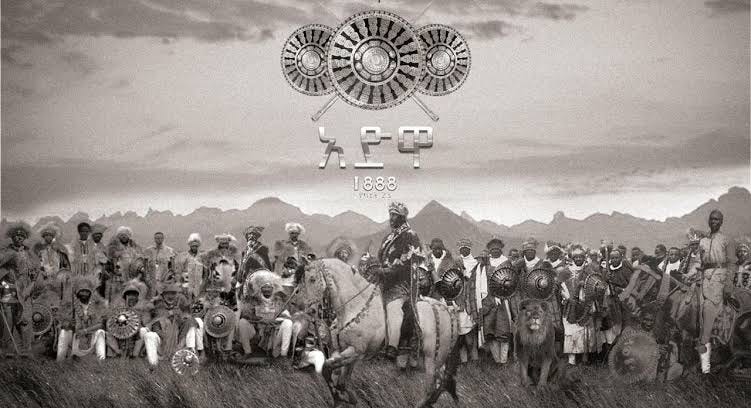
The culmination of this conflict occurred on March 1, 1896, in the rugged terrain of Adwa, a town in the Tigray region. The united Ethiopian force, comprising warriors from diverse ethnic groups, faced a well-armed Italian army. Despite the technological advantages of the Italians, Ethiopia’s superior knowledge of the terrain, strategic brilliance, and sheer determination led to a decisive victory. The Battle of Adwa was not merely a military triumph; it was a profound statement of African agency, shattering the myth of European invincibility and inspiring anti-colonial movements worldwide. Adwa ensured Ethiopia’s sovereignty, securing its place as a symbol of resistance against colonial oppression in Africa and beyond.
Guba: Breaking the Shackles of Hydro-Hegemony
Fast forward to the 21st century, Ethiopia faces a different but equally significant challenge: asserting its right to utilize its natural resources, particularly the waters of the Blue Nile, which originates in its highlands and provides the vast majority of the Nile’s flow. For decades, Egypt has maintained a hydro-hegemonic grip over the Nile, rooted in colonial-era agreements that allocated disproportionate water shares to Egypt and Sudan while ignoring Ethiopia, despite its major contribution and other upstream nations. These agreements, notably the 1929 Anglo-Egyptian Treaty and the 1959 Nile Waters Agreement, were signed without Ethiopia’s consent, effectively denying it the right to harness its own resources for development.
The Grand Ethiopian Renaissance Dam (GERD), located in Guba, a remote area in the Benishangul-Gumuz region, represents Ethiopia’s bold challenge to this status quo. Initiated in 2011, the GERD is a monumental project aimed at generating hydroelectric power to meet Ethiopia’s energy needs and drive economic development. However, the dam has faced vehement opposition from Egypt. Egypt’s resistance, backed by diplomatic pressure and at times veiled threats of military action, echoes the colonial ambitions of the past, an attempt to subordinate Ethiopia’s sovereignty to external interests. Unfortunately, it is one of the few countries in the world that said no to anything colonial.
Despite these challenges, Ethiopia has remained steadfast. The GERD’s construction has progressed steadily, with key milestones such as the filling of the dam’s reservoir achieved despite international tensions. Guba, much like Adwa, has become a battleground, not of swords and guns, but of diplomacy, engineering, and national will. By asserting its right to harness the Nile for its people, Ethiopia is breaking the “shells and shackles” of Egypt’s hydro-hegemony, rooted in colonial legacies. The GERD represents more than a dam; it is a symbol of Ethiopia’s determination to control its destiny and leverage its resources for the benefit of its citizens.
Adwa and Guba: Parallel Triumphs
While separated by over a century, the victories at Adwa and Guba share striking parallels. Both represent Ethiopia’s defiance against external forces seeking to undermine its sovereignty. At Adwa, Ethiopia defended its territorial integrity against Italy’s colonial ambitions, proving that a united African nation could repel a European power. At Guba, Ethiopia is defending its sovereign right to utilize its natural resources, challenging Egypt’s historical dominance over the Nile. In both cases, Ethiopia faced adversaries who underestimated its resolve and capability, only to be met with fierce resistance and strategic ingenuity.
Moreover, both Adwa and Guba are rooted in Ethiopia’s broader struggle for self-determination. The Battle of Adwa was a pan-African triumph, uniting diverse Ethiopian communities under a common cause and inspiring liberation movements across the continent. Similarly, the GERD project has galvanized national pride, with millions of Ethiopians contributing financially to its construction, viewing it as a collective endeavor to secure the nation’s future. Just as Adwa showcased Ethiopia’s military and organizational prowess, Guba highlights its engineering capabilities and diplomatic resilience in navigating complex international negotiations.
Geopolitical Continuity and Ethiopia’s Enduring Spirit
The stories of Adwa and Guba are not isolated incidents but part of a continuum of Ethiopia’s resistance against external domination. Throughout its history, Ethiopia has faced repeated attempts by foreign powers to control its strategic geography and resources. From the Ottoman and Egyptian invasions of the 16th and 19th centuries to modern insurgencies and geopolitical pressures, Ethiopia’s challenges have often stemmed from its position as a regional powerhouse with unparalleled influence over the Nile and the Red Sea. Yet, time and again, Ethiopia has emerged victorious, drawing on its rich cultural heritage, unity, and unyielding commitment to independence.
Adwa and Guba also underscore the evolving nature of Ethiopia’s battles. While Adwa was fought on the battlefield, Guba represents a modern struggle waged through infrastructure development, international diplomacy, and economic self-reliance. Both, however, reflect Ethiopia’s ability to adapt to changing circumstances while remaining true to its core principles of sovereignty and self-determination.
Conclusion: A Legacy of Resilience
Adwa and Guba stand as twin pillars of Ethiopia’s triumph over external adversaries, embodying the nation’s enduring spirit of resistance. The victory at Adwa in 1896 secured Ethiopia’s place as a symbol of African independence, while the ongoing success of the GERD at Guba marks a new chapter in Ethiopia’s quest for resource sovereignty and economic empowerment. Together, these moments remind the world that Ethiopia, a country forged in the crucible of history, will not bow to external pressures, whether they come in the form of colonial armies or modern geopolitical machinations. As Ethiopia continues to navigate the complexities of the 21st century, the legacies of Adwa and Guba will inspire future generations to defend their nation’s sovereignty and chart their own path toward prosperity.
Some important political ideology can be drown for the future from united resilence of success of GERD.Lets use the lesson to bring lasting internal peace and social cohesion for sustainable Ethiopian socio-economic development and prosperity.
Hallelujah! Woohoo! The next step is hopefully going to be more mesmerizing!
Celebrating የኢትዮጵያዊነት ቀን! Celebrating የማንሰራራት ቀን!