The Gadaa System:
An Indigenous Democratic System that Harnesses the Entire Society

Oromoon Saba Gadaati!
At the core of Oromo society is the Gadaa system, an indigenous democratic socio-political framework that has governed the Oromo people for centuries. This system has garnered praise from scholars and leaders worldwide for its inclusive and participatory governance model. Recently, Professor P.L.O. Lumumba, a prominent Kenyan scholar and Pan-African orator, described the Gadaa system as a remarkable institution that “takes advantage of the entire population.”
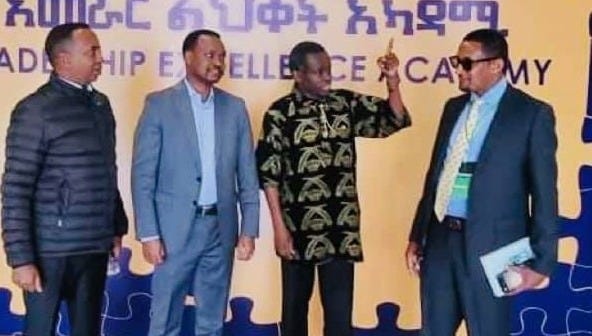
Prof Lumumba’s description highlights the unique structure of the Gadaa system, a pillar of Oromo society that organizes the entire population into age groups, assigning roles and responsibilities that align with each group's stage in life. In this piece, we will reevaluate the Gadaa system as a governance model that maximizes societal participation, drawing on Professor Lumumba's insightful characterization and focusing on its democratic principles, age-based structure, and its enduring relevance.
The Gadaa System: Its Essence
In essence, the Gadaa system represents an advanced governance model that organizes the entire Oromo society into age-based cohorts, ensuring that every individual, from youth to the elderly, contributes meaningfully to societal peace (Nagaa) and holistic prosperity (Finna). As Professor Lumumba noted, the Gadaa system embodies the principle of “from each according to its age and experiences,” fostering inclusivity and ensuring that no segment of society is left out. In Gadaa, each individual has a defined role that evolves with age and experience.
The Gadaa system operates on a cyclical structure, with power rotating every eight years among five generational classes, known as Luba, each with specific political, economic, social, and ritual responsibilities. This rotational leadership mechanism facilitates a peaceful transfer of power and prevents the monopolization of authority, which is a hallmark of its democratic nature. In contrast to many contemporary governance systems where leadership is often concentrated among a few, the Gadaa system distributes responsibilities across generations, creating a balanced and participatory framework.
Age-Based Division and Responsibilities
The Gadaa system categorizes Oromo males into a series of age grades, typically spanning eight-year intervals, with each grade encompassing distinct roles that align with the physical, intellectual, and social capabilities of its members. This structure ensures that society leverages the strengths of each age group, from the vigor of youth to the wisdom of elders. As Professor Lumumba emphasized, this division enables the Gadaa system to be both participatory and democratic, engaging the entire populace in governance and community life. The key age grades and their respective responsibilities (as practiced particularly in southern Oromia) are as follows:
1. Daballee (Ages 0–8): This childhood phase focuses on nurturing and educating individuals in Oromo values, culture, and traditions, laying the foundation for their future roles in the Gadaa system.
2. Junior Gaammee (Ages 9–16): During this stage, young boys begin to assume light responsibilities, such as tending to livestock, which introduces them to communal duties and fosters a sense of responsibility.
3. Foollee (Ages 17–24): This grade signifies the transition to young adulthood, with individuals undergoing military training and engaging in community defense, which is critical for developing discipline and leadership skills.
4. Kuusa (Ages 25–32): Members of this grade serve as junior warriors, participating in formal military service under the guidance of the Abbaa Duula (army leader), thereby contributing to the community's security.
5. Raabaa-Doorii (Ages 33–40): As senior warriors, individuals in this grade are potential candidates for leadership roles, refining their leadership skills and assuming more significant responsibilities, such as conflict resolution and community organization.
6. Gadaa (Ages 41–48): This ruling class assumes full political, military, judicial, and ritual authority, with the Abbaa Gadaa leading the community, supported by a council of elected officials, including the Abbaa Seera and Abbaa Sa’a. This grade represents the apex of leadership, where decisions are made through consensus under the sacred Odaa tree.
7. Yuba (Ages 49–72): Following their ruling term, individuals transition to advisory roles, imparting their experiences and wisdom to the incoming Luba class. The Yuba class is further divided into three groups based on age (I: 49-56, II: 57-64, III: 65-72), serving as mentors to ensure continuity and stability.
8. Gadamojjii and Jaarsa (Ages 73 and above): In these final stages, elders retire from active roles but continue to be respected figures, offering guidance and preserving oral traditions. Their wisdom is vital for maintaining the cultural and historical integrity of the Gadaa system.
In general, the Gadaa system ensures every individual contributes to the Oromo society through distinct life stages, learning, serving, leading, and advising, while the Siinqee framework, symbolized by its ritualistic stick, upholds women's rights and authority. Tragically, today we see our Yubas and Gadammojjis engaging in violent activities that undermines the social fabric, economic systems, and the very identity of the Oromo people, betraying the Gada system's principles and fostering division based on political interests.
The Democratic Principles and Societal Benefits of the Gadaa
Professor Lumumba's portrayal of the Gadaa system as a participatory and democratic framework is rooted in its core principles, including consensus-based decision-making, rotational leadership, and accountability. Gumii, the system's General Assembly convenes under a sacred Odaa tree and serves as the legislative body where laws are debated and enacted through dialogue. This process, as noted by scholars, is both dramatic and effective, with the Abbaa Gadaa symbolically proclaiming the fall and rise of the law to underscore its significance to the community.
The democratic nature of the Gadaa system is further exemplified by its checks and balances. Should leaders fail to meet expectations; the assembly can replace them with others from the same Luba class, ensuring accountability. The system mitigates intergenerational competition by equitably distributing power across generations, a feature that Professor Asmarom Legesse contrasts with the limitations of Western liberal democracies in achieving intergenerational equity.
Moreover, the Gadaa system fosters social cohesion, conflict resolution, and environmental stewardship. It regulates resource utilization, resolves disputes through dialogue, and upholds moral conduct via the safuu, the Oromo moral system. By engaging every segment of society, the Gadaa system cultivates unity and ensures that the community's needs are holistically addressed.
Addressing Misconceptions about the Gadaa System
Despite its strengths, the Gadaa system has faced criticism, with some labeling it as backward, overly masculine, and recently some characterizing it as an assimilationist institution. Professor Lumumba's perspective counters these narratives by emphasizing its inclusive and democratic essence. Far from being a relic of the past, the Gadaa system offers timeless solutions for contemporary governance challenges, particularly in Africa, where Western democratic models have failed due to lack of institutions and cultural disconnection.
The resilience of the Gadaa system is also very evident in its revival in Oromia, with centers such as Odaa Bultum inaugurated in 2015 and Odaa Hullee reinstalled in 2018 reinvigorating its practice. The restoration of Mana Murtii Aadaa (Cultural Court Systems) and self help institutions like Buusaa Gonofaa in Oromia is also a case in point. The establishment of academic programs in Gadaa studies in various Universities across the country further underscores its academic and practical relevance. Scholars suggest that the consensus-driven approach of the Gadaa system could be integrated with Ethiopia's federal structure, presenting a model for participatory governance in the 21st century.
Conclusion
The Gadaa system, as articulated by Professor Lumumba and other scholars stands as a testament to the ingenuity of the Oromo people in developing a governance model that optimally engages the entire population through age-based roles and responsibilities. By ensuring that every individual, from childhood to adulthood to the elderly, contributes to the community, the system embodies principles of participatory democracy, accountability, and social harmony. Its recognition as a UNESCO Intangible Cultural Heritage in 2016 highlights Gadaa’s global significance as an indigenous African solution to governance challenges. As African nations confront democratic crises, the Gadaa system serves as a powerful reminder that justice, equity, and participation have long been integral to the continent's socio-cultural fabric, providing a blueprint for sustainable governance in the modern era. However, for Gadaa to serve as a viable governance model, the Oromo people, particularly the educated elite, must first reflect on and realign their actions, behaviors, and commitments with the system's core principles, ensuring they embody the roles and responsibilities that uphold its values of unity, justice, and collective progress.
This is an important contribution that can inspire more research on Ethiopian anthropology.